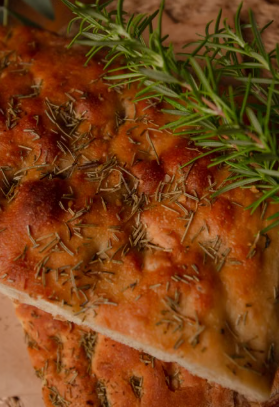
Rustic No-Knead Rosemary Garlic Bread Recipe: Easy Homemade Bread with Incredible Flavor
There is something truly special about the smell of freshly baked bread filling your kitchen. A warm loaf with a golden crust, soft center, and the aroma of herbs and garlic can turn an ordinary meal into something memorable. This Rustic No-Knead Rosemary Garlic Bread Recipe delivers all of that homemade goodness without requiring complicated techniques or hours of kneading.
If you have ever wanted to bake bread from scratch but felt intimidated by yeast, dough preparation, or traditional kneading methods, this recipe is the perfect place to start. The no-knead method makes bread baking simple by allowing time to do most of the work. With just a few basic ingredients and a little patience, you can create a bakery-style loaf right in your own kitchen.
This rustic rosemary garlic bread has a crisp, golden crust, a soft and airy interior, and a savory flavor combination that pairs beautifully with soups, pasta dishes, roasted meats, or a simple spread of butter.
Why You’ll Love This No-Knead Rosemary Garlic Bread
Homemade bread may sound complicated, but this recipe proves that delicious results can come from a simple process.
No Kneading Required
Traditional bread recipes often require several minutes of kneading to develop gluten. This recipe uses a longer resting period instead, allowing the dough to naturally develop structure and flavor.
That means:
- Less hands-on work
- No special baking skills required
- Minimal effort with excellent results
Bakery-Style Texture at Home
The no-knead method creates a loaf with:
- A crisp crust
- A chewy texture
- A soft, airy crumb
- Deep homemade flavor
The result feels like something you would buy from a professional bakery.
Incredible Rosemary Garlic Flavor
Fresh rosemary and garlic transform simple bread dough into something truly special.
Rosemary adds an earthy, fragrant herbal flavor, while garlic provides a warm savory taste that makes every bite irresistible.
Perfect for Any Occasion
This homemade bread is ideal for:
- Family dinners
- Holiday meals
- Dinner parties
- Weekend baking
- Homemade sandwiches
- Gift giving
What Makes No-Knead Bread Different?
The secret behind no-knead bread is time.
Instead of using physical kneading to develop gluten, this method relies on a slow fermentation process. During the resting period, the flour, water, yeast, and salt naturally interact to create the structure needed for a beautiful loaf.
The longer resting time allows the dough to develop:
- Better flavor
- Improved texture
- A more complex aroma
This technique became popular because it allows home bakers to achieve professional-quality bread with very little effort.
Ingredients for Rustic Rosemary Garlic Bread
The ingredient list is simple, but each component plays an important role.
All-Purpose Flour or Bread Flour
Flour provides the structure of the bread.
Bread flour can create a slightly chewier texture because it contains more protein, but all-purpose flour works well too.
Water
Water activates the yeast and helps create the dough consistency.
Using slightly warm water can help yeast become active, but avoid water that is too hot because it can damage the yeast.
Yeast
Yeast is responsible for making the bread rise.
You can use:
- Active dry yeast
- Instant yeast
Both work well when used correctly.
Salt
Salt enhances flavor and helps control yeast activity.
Without salt, bread can taste flat and lack depth.
Fresh Rosemary
Fresh rosemary provides the signature herbal flavor.
You can also use dried rosemary if fresh herbs are unavailable, but fresh rosemary creates a stronger aroma.
Garlic
Fresh minced garlic adds rich savory flavor.
You can adjust the amount depending on how strong you want the garlic taste.
Olive Oil
Olive oil adds richness and complements the rosemary and garlic flavors beautifully.
How to Make No-Knead Rosemary Garlic Bread
This recipe requires patience, but the preparation is surprisingly simple.
Step 1: Prepare the Dough
In a large mixing bowl, combine:
- Flour
- Yeast
- Salt
- Chopped rosemary
- Minced garlic
Add water and olive oil, then stir until a sticky dough forms.
The dough does not need to look smooth. A rough, sticky texture is completely normal.
Step 2: Let the Dough Rise
Cover the bowl with plastic wrap or a clean kitchen towel.
Allow the dough to rest at room temperature until it becomes larger and bubbly.
This resting period develops the flavor and texture of the bread.
A longer rise usually creates a more flavorful loaf.
Step 3: Shape the Dough
Once the dough has risen, lightly flour your work surface.
Gently shape the dough into a round loaf.
Avoid handling it too much because you want to keep the air bubbles that create the soft texture.
Step 4: Prepare for Baking
For the best rustic crust, bake the bread in a covered Dutch oven or heavy oven-safe pot.
The trapped steam helps create a crisp exterior while keeping the inside soft.
Step 5: Bake Until Golden
Bake until the bread develops a deep golden crust.
The finished loaf should sound hollow when tapped and have a beautiful rustic appearance.
Allow it to cool before slicing so the inside can finish setting.
Tips for Making the Best Rosemary Garlic Bread
A few simple tips can help you achieve bakery-quality results.
Use Fresh Ingredients
Fresh rosemary and garlic provide the strongest flavor.
High-quality olive oil can also make a noticeable difference.
Do Not Add Too Much Flour
No-knead dough is usually wetter and stickier than traditional bread dough. Adding too much flour can make the bread dense.
Give the Dough Enough Time
The resting period is essential. Rushing the process can result in less flavor and a heavier texture.
Avoid Cutting Bread Too Soon
Fresh bread smells amazing, but slicing immediately can release steam and affect the texture.
Let it cool slightly before cutting.
Use Steam for a Better Crust
A covered baking environment creates steam, which helps produce the signature crisp crust found in artisan bread.
Delicious Ways to Customize This Bread
This rosemary garlic bread recipe is easy to adapt.
Parmesan Rosemary Garlic Bread
Add grated Parmesan cheese to the dough or sprinkle it on top before baking for extra savory flavor.
Herb Bread Variation
Combine rosemary with other herbs such as:
- Thyme
- Basil
- Oregano
- Parsley
Cheesy Garlic Bread
After baking, slice the bread and add butter, garlic, and cheese before warming it again.
Spicy Garlic Bread
Add crushed red pepper flakes for a little heat.
Olive Rosemary Bread
Mix in chopped olives for a Mediterranean-inspired version.
What to Serve with Rosemary Garlic Bread
This bread pairs beautifully with many meals.
Soups
A warm slice is perfect alongside:
- Tomato soup
- Chicken soup
- Vegetable soup
- Creamy soups
The bread absorbs flavorful broth and sauces wonderfully.
Pasta Dishes
Serve it with:
- Spaghetti
- Alfredo pasta
- Lasagna
- Baked pasta dishes
Salads
A slice of homemade bread can turn a simple salad into a complete meal.
Breakfast and Brunch
Enjoy it toasted with:
- Eggs
- Avocado
- Cheese
- Butter
- Jam
How to Store Homemade Rosemary Garlic Bread
Proper storage helps maintain freshness.
Room Temperature
Store bread in a paper bag or bread box for the best crust.
Avoid sealing warm bread in plastic because trapped moisture can soften the crust.
Refrigerator Storage
Refrigeration is generally not recommended for homemade bread because it can make the texture dry faster.
Freezer Storage
For longer storage:
- Slice the bread.
- Wrap pieces tightly.
- Freeze in an airtight container.
Frozen slices can be toasted whenever you want fresh-tasting bread.
Frequently Asked Questions
Can I make no-knead bread without a Dutch oven?
Yes. A Dutch oven helps create the ideal crust, but you can bake the bread on a baking sheet or stone. Adding steam to the oven can improve the crust.
Can I use dried rosemary instead of fresh?
Yes. Dried rosemary works well, although fresh rosemary usually provides a brighter flavor.
Why is my no-knead bread dense?
Dense bread may result from insufficient rising time, inactive yeast, or adding too much flour.
Can I prepare the dough ahead of time?
Yes. No-knead dough can often be refrigerated for a slower rise, which may actually improve flavor.
Can I add roasted garlic?
Absolutely. Roasted garlic creates a sweeter, richer flavor and makes a wonderful variation.
Why Homemade Bread Is Worth Making
In a world where many foods are designed for convenience, homemade bread offers something different. It connects cooking with tradition, patience, and creativity.
Making bread at home allows you to control:
- Ingredients
- Flavor
- Texture
- Freshness
This rosemary garlic loaf is especially rewarding because it requires minimal effort while producing impressive results.
Final Thoughts
This Rustic No-Knead Rosemary Garlic Bread Recipe is proof that homemade bread does not have to be difficult. With simple ingredients, a little preparation, and time, you can create a flavorful artisan-style loaf with a crisp crust and soft, fragrant center.
Whether served alongside dinner, enjoyed as a snack, or shared with loved ones, this easy homemade bread is sure to become a favorite.
The combination of fresh rosemary, garlic, and rustic bread texture makes every slice comforting, flavorful, and unforgettable.