5 Drinks That May Affect Bone Health, According to Experts
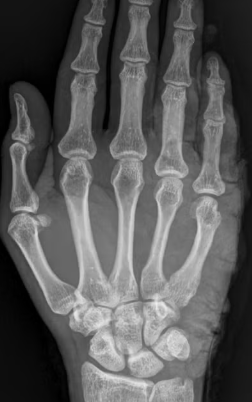
Your bones provide the structure that supports your entire body, allowing you to move, protect vital organs, and stay active throughout life. While many people focus on calcium-rich foods and exercise when thinking about bone health, beverages can also play an important role.
The drinks you consume regularly may influence your bones in different ways. Some beverages provide nutrients that support strong bones, while others may contain ingredients that can interfere with calcium balance, hydration, or overall nutrition when consumed excessively.
Experts emphasize that occasional consumption of certain drinks is unlikely to damage bone health on its own. However, making these beverages a daily habit — especially when they replace healthier options — may have long-term effects.
Here are five drinks that may affect your bone health and what you should know about them.
Why Bone Health Matters
Bones are living tissues that constantly change. Your body naturally breaks down old bone tissue and replaces it with new tissue through a process called bone remodeling.
Maintaining healthy bones depends on several factors, including:
- Calcium intake
- Vitamin D levels
- Protein consumption
- Physical activity
- Hormone balance
- Overall nutrition
As people age, bone loss can occur more quickly, increasing the risk of conditions such as osteoporosis, where bones become weaker and more likely to fracture.
Lifestyle choices, including beverage habits, can contribute to maintaining or weakening bone health over time.
1. Excessive Soda and Soft Drinks
Sugary soft drinks are among the beverages most often discussed when it comes to bone health.
Many sodas contain high amounts of added sugar, and frequent consumption may indirectly affect bones by replacing healthier drinks and foods in your diet.
How Soda May Affect Bone Health
Regularly drinking large amounts of soda may contribute to:
- Lower intake of calcium-rich beverages
- Increased sugar consumption
- Poor overall dietary quality
For example, someone who frequently chooses soda instead of milk or fortified alternatives may consume fewer nutrients needed for strong bones.
Some experts have also raised concerns about certain types of carbonated drinks containing phosphoric acid, which may influence mineral balance when consumed in very high amounts.
However, occasional soda consumption is unlikely to cause significant bone problems by itself. The bigger concern is when it becomes a regular substitute for nutritious beverages.
Healthier Alternatives
Consider replacing some soft drinks with:
- Water
- Sparkling water without added sugar
- Milk
- Fortified plant-based beverages
2. Excessive Alcohol
Alcohol is another beverage that can affect bone health, especially when consumed heavily.
Moderate alcohol intake may not have the same effects as excessive drinking, but long-term heavy alcohol consumption has been linked to problems affecting bones.
How Alcohol May Impact Bones
Heavy alcohol use may:
- Interfere with calcium absorption
- Affect vitamin D metabolism
- Reduce bone-forming activity
- Increase the risk of falls and fractures
Alcohol can also influence lifestyle factors that support bone health, such as nutrition, physical activity, and sleep quality.
Reducing Potential Risks
If you drink alcohol, keeping consumption within recommended limits and maintaining a balanced diet can help support overall health.
For people concerned about bone density or fracture risk, discussing alcohol habits with a healthcare professional may be helpful.
3. Too Much Caffeinated Coffee
Coffee is one of the most popular beverages worldwide, and many people enjoy it daily. In moderate amounts, coffee can fit into a healthy lifestyle.
However, very high caffeine intake may affect calcium balance in some individuals.
How Caffeine May Influence Bone Health
Caffeine can slightly increase calcium loss through urine. For most people with adequate calcium intake, this effect is generally considered small.
The concern may be greater when someone:
- Consumes large amounts of caffeine
- Has low calcium intake
- Does not eat enough nutrient-rich foods
How to Enjoy Coffee While Supporting Bone Health
You do not necessarily need to give up coffee.
Helpful habits include:
- Adding milk or a calcium-fortified alternative
- Avoiding excessive caffeine intake
- Maintaining a calcium-rich diet
A balanced diet can help offset small effects associated with caffeine.
4. Energy Drinks
Energy drinks have become increasingly popular, especially among younger adults and people looking for a quick boost.
However, these drinks often contain high levels of caffeine, added sugar, and other stimulants.
Why Energy Drinks May Raise Concerns
Potential concerns include:
- High caffeine content
- Excess sugar intake
- Replacing healthier beverages
- Effects on sleep quality
Sleep is important for overall health, and poor sleep patterns may indirectly affect behaviors related to nutrition and physical activity.
Some energy drinks also contain ingredients that may interact with medications or health conditions.
Better Ways to Support Energy Levels
Instead of relying on energy drinks, consider:
- Drinking enough water
- Eating balanced meals
- Getting regular sleep
- Staying physically active
These habits provide more sustainable energy.
5. Very High Amounts of Fruit Juice
Fruit juice may seem like a healthy choice because it comes from fruit, but portion size matters.
Many commercial juices contain concentrated natural sugars and may lack the fiber found in whole fruit.
How Too Much Juice May Affect Bone Health
Excessive juice consumption may:
- Increase sugar intake
- Replace nutrient-rich foods
- Contribute to an imbalanced diet
Some juices are fortified with calcium and vitamin D, which can support bone health. However, not all juices provide these nutrients.
Better Choices
Instead of drinking large amounts of juice:
- Eat whole fruits when possible
- Choose fortified juices when appropriate
- Limit portion sizes
Whole fruits provide fiber and additional nutrients that support overall health.
Drinks That Support Strong Bones
While some beverages may pose concerns when consumed excessively, others can help support bone health.
Milk
Milk provides:
- Calcium
- Protein
- Often vitamin D when fortified
These nutrients are important for maintaining bone structure.
Fortified Plant-Based Drinks
Many plant-based alternatives are fortified with calcium and vitamin D.
Examples include:
- Fortified soy milk
- Fortified almond milk
- Fortified oat milk
Always check nutrition labels because nutrient levels vary between products.
Water
Water is essential for overall health and helps maintain normal body function.
Staying hydrated supports:
- Physical performance
- Joint function
- General wellness
Smoothies With Nutrient-Rich Ingredients
Homemade smoothies can combine:
- Yogurt
- Fortified milk alternatives
- Fruits
- Nuts and seeds
This can create a nutrient-dense beverage option.
Other Important Factors for Strong Bones
Drinks are only one part of bone health. Several lifestyle habits play a major role.
Get Enough Calcium
Calcium is a key mineral for bone structure.
Good sources include:
- Dairy products
- Fortified foods
- Leafy green vegetables
- Calcium-rich fish
Maintain Healthy Vitamin D Levels
Vitamin D helps your body absorb calcium.
Sources include:
- Sun exposure
- Fortified foods
- Supplements when recommended
Exercise Regularly
Weight-bearing activities help stimulate bone strength.
Examples include:
- Walking
- Strength training
- Dancing
- Hiking
Avoid Smoking
Smoking can negatively affect bone health and increase fracture risk.
When Should You Talk to a Healthcare Professional?
You may want to discuss bone health with a healthcare provider if you:
- Have a history of fractures
- Have risk factors for osteoporosis
- Experience unexplained bone pain
- Are concerned about calcium or vitamin D levels
- Have conditions affecting nutrient absorption
A healthcare professional can recommend appropriate testing or lifestyle changes.
Final Thoughts
The drinks you choose every day can influence your overall nutrition and may play a role in supporting healthy bones. While no single beverage will determine your bone strength, regularly consuming large amounts of sugary drinks, excessive alcohol, or highly caffeinated beverages may work against your long-term health goals.
The best approach is balance. Choose nutrient-rich beverages more often, stay hydrated, maintain a calcium- and vitamin D-rich diet, and support your bones through regular movement.
Small daily choices can make a meaningful difference in protecting your bone health throughout life.