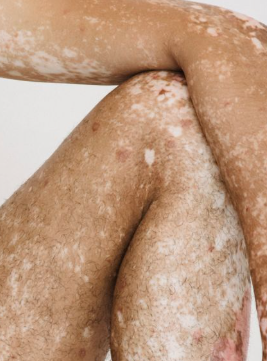
Small White Spots on Arms and Legs: Common Causes Explained
Introduction
Noticing small white spots on your arms or legs can be surprising, especially if they appear suddenly or seem to increase over time. In many cases, these spots are harmless and related to common skin conditions, aging, sun exposure, or minor changes in skin pigmentation. However, some white spots may indicate an underlying skin condition that requires medical evaluation.
Understanding the possible causes of small white spots can help you determine when simple skincare measures may be enough and when it’s time to seek professional advice.
In this comprehensive guide, we’ll explore the most common causes of white spots on the arms and legs, their symptoms, treatment options, and preventive measures.
What Are White Spots on the Skin?
White spots occur when certain areas of the skin produce less melanin than the surrounding skin. Melanin is the pigment responsible for skin color.
When melanin production decreases or pigment cells become damaged, lighter patches or spots may appear. These spots can vary in:
- Size
- Shape
- Texture
- Number
- Location
Some are temporary, while others may persist for years.
1. Idiopathic Guttate Hypomelanosis (IGH)
One of the most common causes of small white spots on the arms and legs is Idiopathic Guttate Hypomelanosis (IGH).
What Is IGH?
IGH is a harmless skin condition characterized by small, flat white spots that typically appear on sun-exposed areas.
These spots often:
- Measure 2–5 millimeters in diameter
- Have smooth borders
- Appear on the forearms, shins, and legs
- Increase with age
Causes
Although the exact cause is unknown, experts believe that prolonged sun exposure and natural aging contribute significantly.
Treatment
IGH usually does not require treatment. Some people choose cosmetic treatments to reduce their appearance, but results vary.
2. Sun Damage
Years of ultraviolet (UV) exposure can affect melanin production and lead to pigment changes.
Symptoms
White spots related to sun damage often:
- Appear gradually
- Occur on exposed skin
- Become more noticeable over time
Common areas include:
- Arms
- Legs
- Shoulders
- Hands
Prevention
Protecting the skin from excessive sun exposure may help reduce future pigment changes.
Helpful measures include:
- Wearing sunscreen
- Seeking shade
- Wearing protective clothing
3. Vitiligo
Vitiligo is a skin condition that causes loss of pigmentation due to the destruction of melanocytes, the cells that produce melanin.
Symptoms
Vitiligo often causes:
- Well-defined white patches
- Symmetrical pigment loss
- Progressive spreading in some individuals
The condition may affect:
- Arms
- Legs
- Face
- Hands
- Other body areas
Causes
The exact cause is not fully understood, but autoimmune factors are believed to play a role.
Treatment
Treatment options vary and may include:
- Topical medications
- Light therapy
- Specialized dermatological treatments
A dermatologist can recommend an individualized treatment plan.
4. Tinea Versicolor
Tinea versicolor is a common fungal skin condition caused by an overgrowth of naturally occurring yeast on the skin.
Symptoms
Common signs include:
- White, pink, or light brown patches
- Mild scaling
- Slight itching
Although more common on the chest and back, it can occasionally affect the arms.
Risk Factors
The condition is more likely to occur in:
- Warm climates
- Humid environments
- Individuals who sweat heavily
Treatment
Antifungal creams, shampoos, or medications are commonly used to treat tinea versicolor.
5. Post-Inflammatory Hypopigmentation
Sometimes white spots develop after the skin heals from inflammation or injury.
Possible Triggers
Examples include:
- Eczema
- Psoriasis
- Minor burns
- Skin injuries
- Allergic reactions
Symptoms
Affected areas may appear lighter than the surrounding skin after the original condition improves.
Outlook
In many cases, pigmentation gradually returns over time.
6. Eczema-Related Pigment Changes
Eczema can sometimes leave temporary white patches after inflammation subsides.
Why It Happens
Skin inflammation may temporarily affect pigment production.
Common Features
White spots associated with eczema may:
- Occur in areas previously affected by rash
- Have irregular borders
- Gradually improve
Proper eczema management may help reduce the likelihood of pigment changes.
7. Nutritional Factors
Although less common, certain nutritional deficiencies may contribute to skin changes.
Potentially associated nutrients include:
- Vitamin B12
- Vitamin D
- Copper
- Zinc
Nutritional deficiencies rarely cause isolated white spots, but they may influence overall skin health.
A healthcare provider can determine whether testing is appropriate.
8. Genetic Skin Conditions
Some inherited skin conditions can affect pigmentation and lead to white spots.
These conditions are generally less common and often present earlier in life.
A dermatologist can evaluate unusual or persistent pigment changes and provide an accurate diagnosis.
How Are White Spots Diagnosed?
Diagnosis depends on the appearance of the spots, medical history, and associated symptoms.
A healthcare provider may perform:
Physical Examination
The appearance and location of the spots often provide important clues.
Wood’s Lamp Examination
A special ultraviolet light may help evaluate pigment changes.
Skin Scraping
If a fungal infection is suspected, a skin sample may be examined.
Skin Biopsy
Rarely, a small sample of skin may be collected for laboratory analysis.
Treatment Options
Treatment depends entirely on the underlying cause.
Moisturizing Products
Helpful for conditions involving dry or irritated skin.
Sunscreen
Protects against further sun-related pigment changes.
Antifungal Treatments
Used for fungal conditions such as tinea versicolor.
Prescription Medications
May be recommended for inflammatory or autoimmune skin disorders.
Light-Based Therapies
Sometimes used for pigment disorders such as vitiligo.
A dermatologist can recommend the most appropriate treatment based on the diagnosis.
When Should You See a Doctor?
Consider seeking medical advice if:
- White spots are spreading rapidly
- The spots are accompanied by itching or pain
- Pigment changes are extensive
- The diagnosis is uncertain
- Other symptoms develop
Professional evaluation can help identify the cause and determine whether treatment is necessary.
Can White Spots Be Prevented?
Not all causes are preventable, but certain habits may support healthy skin.
Protect Your Skin from Sun Exposure
Daily sunscreen use may reduce UV-related pigment changes.
Maintain Healthy Skin
Gentle skincare routines can help minimize irritation and inflammation.
Address Skin Conditions Promptly
Managing eczema, fungal infections, and other skin issues early may reduce the risk of pigment changes.
Follow a Balanced Diet
Proper nutrition supports overall skin health and wellness.
Frequently Asked Questions
Are small white spots on the skin dangerous?
Most small white spots are harmless, but some may indicate underlying skin conditions that should be evaluated by a healthcare professional.
Can sun exposure cause white spots?
Yes. Long-term sun exposure is associated with certain pigment changes, including Idiopathic Guttate Hypomelanosis (IGH).
Will white spots go away on their own?
It depends on the cause. Some conditions improve naturally, while others may persist without treatment.
Is vitiligo the same as common white spots from aging?
No. Vitiligo is an autoimmune pigment disorder, while age-related white spots are often linked to sun exposure and natural aging.
Should I worry about a few small white spots?
A few stable spots are often harmless, but new, spreading, or unexplained pigment changes should be assessed by a healthcare provider.
Conclusion
Small white spots on the arms and legs can result from a variety of causes, ranging from harmless age-related changes to skin conditions that require medical attention. Common explanations include idiopathic guttate hypomelanosis, sun damage, vitiligo, fungal infections, post-inflammatory hypopigmentation, and eczema-related pigment changes.
While many cases are not serious, understanding the underlying cause is important for proper management. Protecting your skin from excessive sun exposure, maintaining healthy skincare habits, and seeking professional evaluation when necessary can help support long-term skin health.
If white spots are spreading, changing, or causing concern, consulting a dermatologist is the best way to obtain an accurate diagnosis and personalized treatment recommendations.