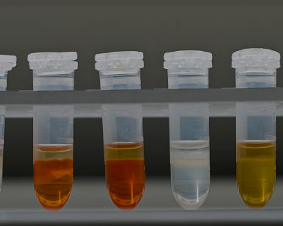
What Does the Color of Your Urine Say About Your Health?
Your urine can reveal surprising information about your overall health. While it may not be something you think about often, the color of your urine can provide clues about hydration, diet, medications, and even certain health conditions.
Most changes in urine color are harmless and temporary. For example, drinking less water can make urine darker, while eating certain foods can change its appearance. However, unusual or persistent changes may sometimes signal that your body needs attention.
Learning what different urine colors may indicate can help you better understand your body and recognize when it may be time to seek medical advice.
Why Does Urine Have a Color?
The natural yellow color of urine comes from a pigment called urochrome, which is produced when your body breaks down old blood cells. The concentration of this pigment changes depending on how much water you drink.
When you are well hydrated, urine is usually pale yellow. When your body needs more fluids, urine becomes more concentrated and darker.
However, hydration is only one factor that affects urine color. Other influences include:
- Foods and beverages
- Vitamins and supplements
- Medications
- Exercise
- Infections
- Liver or kidney problems
A single unusual urine color is not always a reason for concern, but repeated changes deserve attention.
Clear or Completely Transparent Urine
Clear urine often means you are drinking plenty of fluids. A pale, almost transparent color is generally associated with good hydration.
However, constantly clear urine may sometimes indicate that you are drinking more water than your body needs.
Overhydration can dilute important electrolytes, such as sodium, which your body needs for normal nerve and muscle function.
If your urine is consistently completely clear and you are also experiencing symptoms such as excessive thirst or frequent urination, it may be worth discussing with a healthcare professional.
Pale Yellow Urine: A Healthy Sign
Light yellow urine is typically considered a sign of good hydration.
This color usually suggests:
- Your body has enough fluids
- Your kidneys are functioning normally
- Your urine is not overly concentrated
Maintaining adequate hydration supports many important body functions, including temperature regulation, digestion, circulation, and kidney health.
A simple way to monitor hydration is to pay attention to your urine color throughout the day rather than focusing on a single bathroom visit.
Dark Yellow or Amber Urine: Possible Dehydration
Dark yellow or amber-colored urine often means your body needs more water.
When you are dehydrated, your kidneys conserve water by producing more concentrated urine, causing it to appear darker.
Common reasons for darker urine include:
- Not drinking enough fluids
- Heavy sweating
- Hot weather
- Intense exercise
- Illness involving fluid loss
Other signs of dehydration may include:
- Dry mouth
- Thirst
- Headache
- Dizziness
- Fatigue
Increasing fluid intake may help return urine to a lighter color. If dark urine continues despite drinking enough fluids, another cause may need to be considered.
Orange Urine: Food, Medication, or Health Issues
Orange urine can occur for several reasons.
Possible causes include:
Diet
Certain foods with strong pigments may affect urine color.
Medications
Some medicines can turn urine orange as a harmless side effect.
Dehydration
Highly concentrated urine may appear orange or dark yellow.
In some cases, orange urine may be related to problems involving the liver or bile system, especially if accompanied by symptoms such as yellowing of the skin or eyes, abdominal discomfort, or unusual fatigue.
Persistent orange urine should be evaluated by a healthcare professional.
Pink or Red Urine: Don’t Ignore It
Pink, red, or reddish urine can look alarming. Sometimes the cause is harmless, but it can also indicate blood in the urine.
Possible explanations include:
- Eating foods such as beets or certain berries
- Certain medications
- Intense exercise
- Blood from the urinary tract
Blood in urine may be associated with conditions such as:
- Urinary tract infections
- Kidney stones
- Kidney or bladder problems
If your urine appears red or pink and you cannot identify a clear food-related cause, it is important to seek medical advice.
Brown Urine: A Sign to Pay Attention To
Brown urine may occur when urine becomes very concentrated, but it can also have other causes.
Possible reasons include:
- Severe dehydration
- Certain medications
- Some foods
- Muscle injury
- Liver-related problems
Brown urine may sometimes resemble the color of tea or cola.
If brown urine occurs along with symptoms such as yellow skin, abdominal pain, fever, or extreme weakness, medical evaluation is recommended.
Blue or Green Urine: Rare but Possible
Blue or green urine is uncommon but can happen.
Possible causes include:
- Food coloring
- Certain medications
- Some medical dyes used during procedures
- Rare infections
Although unusual colors can be surprising, they are not always dangerous.
If the color change is unexplained or lasts for several days, it is best to consult a healthcare professional.
Cloudy or Milky Urine: What It May Mean
Healthy urine is usually clear. Cloudy urine may occur for several reasons.
Possible causes include:
- Dehydration
- Urinary tract infections
- Increased minerals in urine
- Kidney-related conditions
Cloudy urine combined with symptoms such as:
- Burning during urination
- Frequent urination
- Lower abdominal pain
- Strong urine odor
may suggest a urinary tract infection.
Foamy Urine: When Should You Be Concerned?
Occasional bubbles or foam in urine can be normal, especially if urine hits the water quickly.
However, persistent foamy urine may sometimes indicate higher levels of protein in the urine.
Protein leakage into urine can be associated with kidney problems, especially if accompanied by:
- Swelling in the legs or ankles
- High blood pressure
- Changes in urination patterns
If foaminess continues regularly, medical evaluation may be helpful.
How Foods Can Change Urine Color
Your diet can temporarily affect urine appearance.
Some foods that may influence urine color include:
- Beets, which may cause pink or red urine
- Carrots or foods rich in orange pigments, which may contribute to orange tones
- Foods with artificial coloring, which may create unusual shades
These changes are usually harmless and disappear after the food leaves your system.
How Vitamins and Supplements Affect Urine
Some supplements, especially B vitamins, can change urine color.
For example, vitamin B2 (riboflavin) may make urine appear bright yellow or fluorescent.
This is usually harmless because excess water-soluble vitamins are removed through urine.
However, if color changes occur after starting a medication or supplement and you are unsure why, check with a healthcare professional.
When Should You See a Doctor About Urine Color?
A temporary color change is often not serious. However, medical advice may be needed if you experience:
- Blood in urine
- Dark urine that does not improve with hydration
- Persistent unusual colors
- Pain during urination
- Fever or back pain
- Strong changes in urine smell
- Increased or decreased urination
Your urine color is only one piece of information. Other symptoms and your overall health history are also important.
Tips for Maintaining Healthy Urine
You can support urinary health by following a few simple habits:
Drink Enough Water
Regular hydration helps your kidneys remove waste effectively.
Maintain a Balanced Diet
Eating a variety of fruits, vegetables, and nutrient-rich foods supports overall health.
Avoid Holding Urine for Long Periods
Regular bathroom habits can support bladder health.
Pay Attention to Changes
Knowing what is normal for your body makes it easier to notice unusual patterns.
Final Thoughts
The color of your urine can provide useful clues about your hydration status, diet, medications, and overall health. In many cases, changes are temporary and harmless, but some colors or patterns may signal an underlying issue.
Pale yellow urine is generally a sign of good hydration, while darker urine may indicate that you need more fluids. Red, brown, cloudy, or persistently unusual urine colors deserve closer attention, especially when combined with other symptoms.
Your body often sends small signals before bigger problems appear. Paying attention to changes in urine color can be a simple but valuable part of maintaining your health.